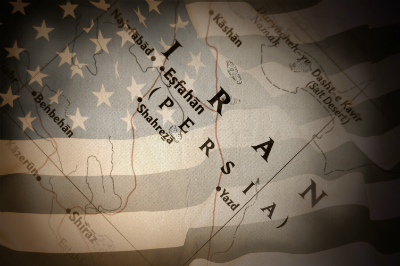
 On January 23, the EU announced more sanctions and an oil embargo on Iran. The new restrictions impede cooperation with Iran in foreign trade, financial services, energy sectors and technologies, and ban any form of insurance by member states to businesses associated with Iran. EU countries also have until July 1 to secure alternative oil and petroleum sources from states like Saudi Arabia, which is supposed to increase output to prevent market supply shocks. In response, Tehran has threatened to sanction itself by halting oil shipments to certain EU countries ahead of the summer, a move it’s reportedly still debating.
Iran complained that the EU measures were “unfair” and “doomed to fail”, but the effects of the new sanctions, which enhance the pains of preexisting EU, US and UN sanctions, are already being felt. A Thomson Reuters headline from today reads: “Iran grain shipments stranded as sanctions bite“. Jonathan Saul and Michael Hogan build on a report from last week detailing how cargo ships destined for Iran, a major importer of grain, are waiting outside Iranian ports stocked with “about 420,000 tonnes” of product, because Tehran, with its blacklisted Central Bank, is finding it increasingly difficult to send “workable” letters of credit. These Iranian trade partners are in a lose-lose situation–at risk of incurring major losses if they deliver without guaranteed payment and facing the same consequences if they don’t. So the stocked cargo ships and European distributors are just waiting, like port employees and Iranian businesses are hoping, for some solution to materialize.
All the while Iran’s currency, the Rial, continues to devalue while its revenue sources are diminishing. An immediate EU-imposed ban on all new contracts for Iranian crude prevents the isolated country from courting new customers with deals enjoyed by countries like China and Russia. Financial headaches could also turn into major humanitarian issues if waivers and exceptions aren’t issued, especially with regard to food and other essential products.
Three days after the EU sanctions were announced, Israel declared that more, swifter sanctions are needed to halt Iran’s alleged nuclear ambitions. Influential U.S. voices, such as the Wall Street Journal’s hawkish editorial board, are making similar claims. Congress is also taking the U.S.’s Iran-sanctions policy to new levels by simultaneously approving legislation that makes diplomacy nearly impossible and pushing Iran into even smaller corners with the threat of more crippling sanctions.
The Obama administration has described its “dual-track approach” with Iran as a policy of sticks and carrots, but the sanctions that the U.S. has adopted and pressured other countries to implement are beginning to look like sticks being thrown at average Iranians at an increasing rate.
Secretary of State Hillary Clinton said in 2010 that the U.S. wants to change the behavior of the Iranian government “without contributing to the suffering of the ordinary people”, but in light of recent events and nightmares that could follow, the opposite seems to be occurring. Meanwhile, another drumbeat rolls on.


Governments must think of the people that live in the nations that they put sanctions on. what will the toll be on the people. Dialogue is the key . To have a mediator in the talks There are grevinces on both sides that must be addressed to move forward.To end the demonizing of others to open up to true dialogue. for i do not want to see the citizens of a nation suffer because governments can not dialogue.
These sanctions are only going to move the Iranian public close to the regime and closer to the extremist side. These sanctions are shattering any chance of their being any moderate iranians. One part of this plan is to get iranian civilians to rebel and demand the ouster of the mullahs. That is not gonna happen. The opposite is happening. They are actually growing closer and closer to the mullahs.
Another result of these sanctions are a poorer standard of living in Iran. You see unemployment is high in iran, people going hungry etc. The public in Iran will demand war. They are already demanding war. THEY will attack the US and that is what the US is counting on.
The Iranians will continue to sell oil to china and india and other countries, so the sanctions will bite, but not that much. If the sanctions don’t bite you will have the US implement harsher sanctions unilaterally. The US is not bluffing and will keep on coming. If the sanctions DO bite then you will see Iran destroy the whole oil market and attack America, Israel and the whole world.
USA/UK did the same to Japan- deadly sanctions–BOMBS away-million dead. If you keep pulling a dog’s tail long enough,it will bite :^(
the US, europe and israel are trying to do the same thing to iran as they did to iraq in the 1990s and it will result in the deaths of large numbers of innocent people if carried out over a long period of time. trying to weaken the people and damage both the infrastructure of the country and the ability of the nation to feed itself etc.
and all for what? so that israel and the US (and the reactionary saudis) can continue with their policies of dominating the whole region by threat of violence and subversion of the Arab Spring?
may greece default soon and the euro fall apart before long so that europe would no longer play the US’ dangerous game of chicken……there’s gonna be a war if they keep up with this